

School Transportation Safety: What Parents and Students Need to Know
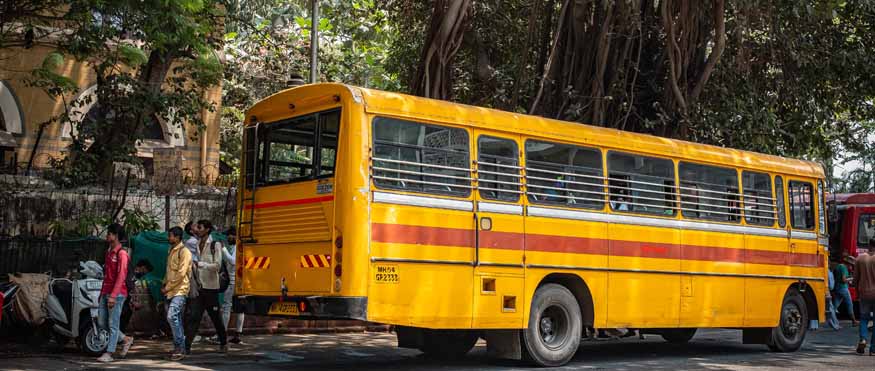
The safety of school travel should be a concern for every family. Whether children take a school bus, van, carpool, or walk part of the way, safety must always come first. It is the shared responsibility of parents and children to make the daily commute to and from school safe and stress-free.
This blog also acts as a parent guide for school travel, offering families clear, helpful guidance. It explains the basics of safe travel, crucial rules that must be followed, and ways that families and schools can collaborate to lower risks.
Why School Transportation Safety Matters?
Travelling to school every day requires preparation and discipline in order to prevent risky situations. While uniform school bus safety guidelines reduce uncertainty and dangerous behaviour, clear expectations throughout transit help children stay focused and organised. A well-designed safe school transport policy helps schools in upholding safety regulations during the trip.
Common Modes of School Transportation
Students use different ways to reach school depending on distance and location. Each mode has its own safety needs.
- School Buses: When laws are properly followed, school buses are among the safest modes of transportation for kids. Buses are built with student safety in mind, and drivers undergo training.
- School Vans or Private Transport: Some schools use vans or third-party transport services. These must follow strict safety checks and legal requirements.
- Carpools and Private Cars: Many parents drop children to school themselves. Here, discipline and safe driving practices are important.
- Walking or Cycling: Older students may walk or cycle. They need proper safety equipment and road awareness.
Rules for School Bus Safety Guidelines That Every Student Should Understand
Before, during, and after the bus ride, students need to know how to act. Understanding and following school bus safety regulations creates positive behaviours and prevents accidents.
Before Boarding the Bus
- Reach the bus stop early and wait calmly.
- Avoid traffic by standing in a secure area.
- Do not push or run near the bus.
While on the Bus
- Sit properly and face forward.
- Keep hands and bags inside.
- Follow the driver’s instructions.
Getting Off the Bus
- Exit slowly and carefully.
- Only cross the road when a car gives the signal.
- Never run immediately after getting down.
Schools’ Contribution to Transportation Safety
Organising and managing student travel is the responsibility of the schools. A strong safe school transport policy ensures that safety is not left to chance.
What a Good Transport Policy Includes
- Background checks for drivers.
- Regular vehicle maintenance.
- Fixed pick-up and drop-off points.
- Emergency contact systems.
Parents can feel more secure about their children’s safety when schools make their transportation rules clear.
The Role of Parents in Supporting School Travel Safety
Parents play an important role in daily transportation safety. A reliable parent guide to school travel starts with awareness and communication.
How Parents Can Help
- Teach children transport rules at home.
- Ensure children follow schedules calmly.
- Stay updated with school transport notices.
- Report unsafe behaviour or delays.
When parents and schools work together, safety becomes a shared responsibility instead of a burden.
Safety Tips for Private Vehicles and Carpools
Not all children use school buses. For families using private vehicles, safety habits matter just as much.
- Important Car Safety Tips: Always use seat belts, avoid overcrowding the car, follow speed limits near schools, and do not use mobile phones while driving.
Teaching Children about Stranger Safety during Travel
Transportation safety is not only about vehicles and roads. Children should know how to stay safe on their own.
- Key Stranger Safety Lessons: Never accept rides or gifts, stay with known groups, and tell parents or teachers if something doesn’t feel right. These lessons should be repeated calmly and clearly, without creating fear.
Emergency Preparedness during School Travel
Unexpected situations like breakdowns or weather changes can happen. Schools and parents should prepare children for emergencies. A good safe school transport policy includes emergency training, such as knowing whom to contact, staying calm and seated, and following adult instructions.
How Technology Supports School Transportation Safety?
Many schools now use technology to improve transport safety. Helpful tools include GPS tracking of buses, SMS alerts for parents, and attendance tracking during travel. When used correctly, technology strengthens trust between schools and families.
Communication between Schools and Parents
Clear communication prevents misunderstandings and delays. Schools should share transport rules regularly, inform parents about changes, and provide clear contact points. Parents should read notices carefully, update contact details, and give feedback when needed. This two-way communication is a key part of a strong parent guide to school travel.
Conclusion: Together, We Can Make School Travel Safer
The safety of school transport is a shared responsibility of schools, parents, and children. Safer and more dependable daily travel is made possible by a strong safe school transport policy, consistent school bus safety regulations, and the practical application of this parent guide to school travel. Cooperation at home and at school, along with awareness, greatly contributes to student safety.
With clear safety practices and a caring approach, Billabong International High School puts student well-being first. Get in touch with us right now to find out more about our curriculum!
Latest Blogs





CATEGORIES

March 16, 2026
List of all Reputable Schools in India: A Parent’s 2026 Guide to Choosing the Right School with Confidence with a deep analysis
Read More
February 12, 2026
Safety First: What to Look for in a School’s Security and Transport System
Read More