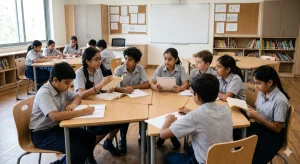


Understanding Preschool vs Kindergarten Age and Key Differences
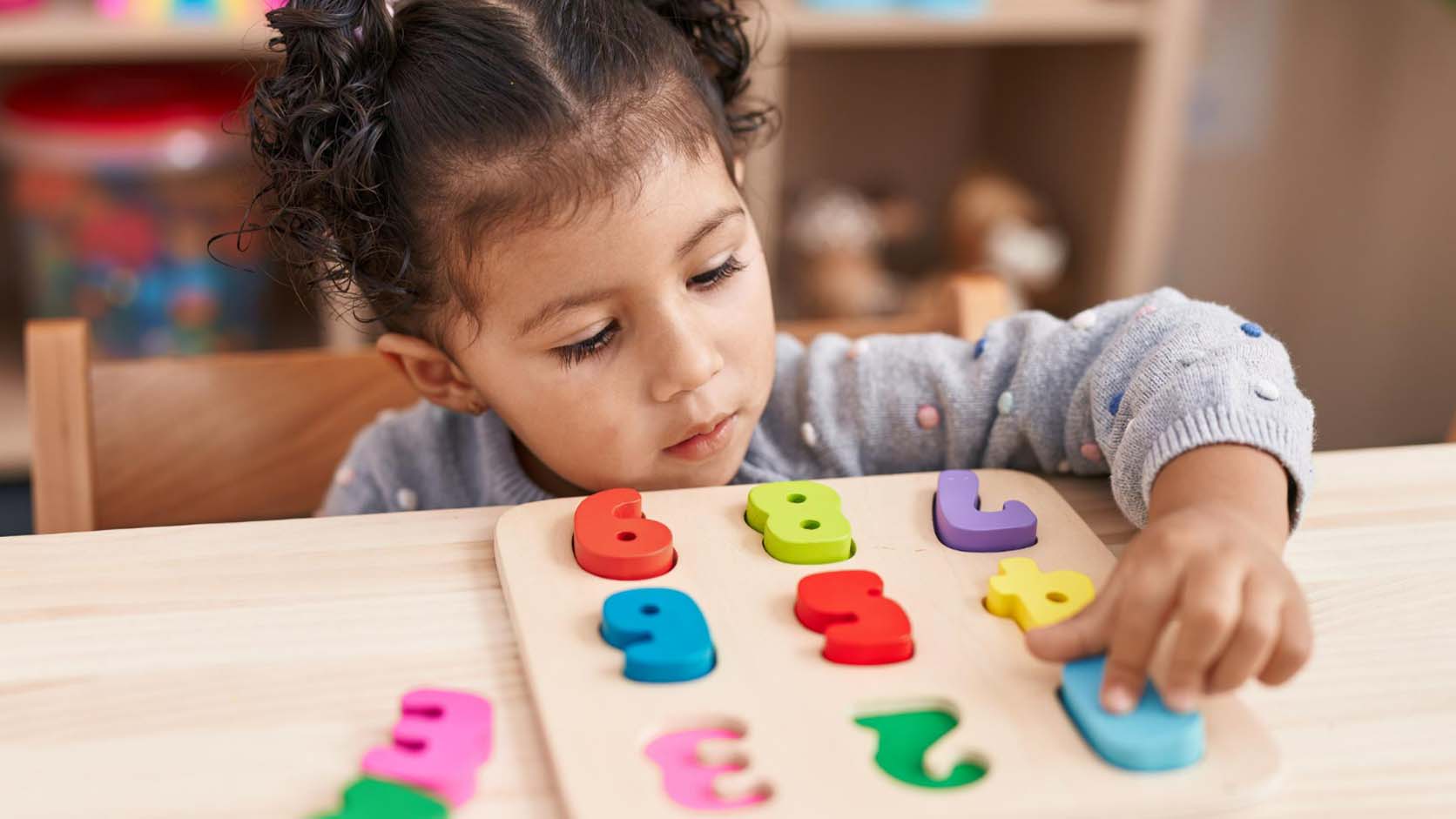
The usual age bands, what children learn at each stage and how to choose a good fit.
Quick answer:In India, preschool basically tends to cover everything before Grade 1, including Playgroup, Nursery, Junior KG and Senior KG. Kindergarten usually refers to the later pre-primary years, that is, Junior KG (usually age 4-5) and Senior KG (usually age 5-6). However, some institutes tend to follow different terminologies. First grade usually begins at the age of six, however you need to check your schools’ cut-off dates and their individual requirements. Once you have figured out the appropriate grade for your kid, look into his/her requirements and the curriculum on a daily basis. NCERT Foundational Stage framework | Kangaroo Kids age example
Preschool vs kindergarten age at a glance
Preschool and kindergarten are terms that greatly overlap with each other. One institution can call its entire pre-primary department preschool while dividing the last two years into kindergarten. Others can use the terms interchangeably or use preschool for the first few years and kindergarten for the last two years. The names of classes cannot inform possible admission ages, teaching styles, or hours of operation. One should ask for the campus’s current program chart.
|
Common class name |
Illustrative age |
Main emphasis |
|
Playgroup |
Around 2–3 |
Settling, play, relationships and simple routines |
|
Nursery |
Around 3–4 |
Stories, language, movement and exploration |
|
Junior KG, LKG or KG 1 |
Around 4–5 |
More sustained play, early literacy and number ideas |
|
Senior KG, UKG or KG 2 |
Around 5–6 |
Growing independence and preparation for Class 1 |
|
Class 1 |
Around 6+ |
Beginning primary learning with continued foundational support |
These are indicative only, not the admission policies for each campus. One associated with Billabong Kangaroo Kids lists this Playgroup-to-Senior-KG progression but the programmes and cut-offs should be checked with the particular campus you are interested in. Gurugram preschool programme
India’s National Education Policy and the framework of the National Council for Education Research and Training define early childhood education and kindergarten in terms of the foundational stage, which is preschool (ages 3-5) and the first two years of school. It means that learning through play should be continued through kindergarten, not abandoned. NCERT framework
What is the difference in learning?
The difference is one of depth and independence. A younger preschooler might sort shells by color and describe how they feel while an older kindergartener might sort the same shells in two different ways, count the groups, explain a pattern and draw what they found. Both children are learning through play, but the teacher’s questions and guidance will be different for each child.
|
Area |
Earlier preschool |
Later kindergarten |
|
Language |
Listening, naming, joining in stories and songs |
Longer conversations, retelling and noticing sounds in words |
|
Number |
Counting objects in play and exploring shapes |
Comparing quantities, explaining patterns and solving small problems |
|
Social skills |
Trusting adults, playing near peers, taking short turns |
Working with others, negotiating roles and handling disagreements |
|
Independence |
Learning routines with help |
Managing more belongings and tasks with support when needed |
|
Expression |
Sensory play, drawing, movement and pretend play |
More detailed projects, drawings, storytelling and early writing attempts |
A good Nursery class does more than keep the children entertained; teachers take on board the children’s ideas, introduce new words and encourage exploration. A good kindergarten class offers a challenge but doesn’t replace imaginative, verbal or physical activities with hours of worksheet practice. If a school promotes experiential learning, ask to see a normal activity and what the teacher is looking for the children to notice or practice.
For example, building a bridge for toy cars might involve sharing ideas, testing strength, and rebuilding when it collapses. One boy counts the supports while another explains why a longer plank needs assistance. It can help with language, logic, co-ordination and perseverance. The children can engage in a variety of ways and the teacher makes room for each child.
Does kindergarten mean children must already read?
“Kindergarten” does not mean children need to be able to read by a certain age. Early literacy involves enjoying stories, talking about ideas, noticing sounds, noticing print and making meaningful marks. Children learn to read and write at different times. Ask the school what they teach in the year, and what they expect children to know when they start. A child who knows the alphabet might still need help understanding stories told to them, while another might tell wonderful stories of their own while only just connecting letters and sounds.
The same goes for numbers. Being able to count aloud to fifty is very different to being able to count five objects accurately, or to notice which group has more. Teachers can help children make connections, with games, blocks, setting a table and talking about patterns. Parents should look for understanding and curiosity, as well as any early written work.
How do I calculate my child’s admission age?
Use the cut-off date the school has chosen. If Junior KG requires a child to have turned four by a given date, figure out their age as of that date, not the date you submit the form. A birthday just after the cut-off can make a difference in the class they are eligible to enter. Policies often vary by campus, state and academic year.
- Write down the child’s date of birth as recorded on the required document.
- Obtain the current campus’s minimum age, birth-date range and cut-off date for each class.
- Calculate completed years and months on that date.
- Ask admissions to confirm the class in writing, especially near a boundary.
- Check how that placement leads into Senior KG and Class 1.
For example only, if a school requires age four by 31 March for Junior KG, a child who turns four on 31 March meets this age requirement, but one who turns four on 1 April would not be. Another school may use a different cut-off date. This is simply for illustration and is not an example of a Billabong entry requirement.
A child transferring from another school may find that the class names are different or that the cut-off dates are different. You are advised to share the details of the previous programme and to ask how the new school would cater for both the child’s age and schooling experience in its policy. If the suggested placement seems surprising, you might want to ask for an explanation of the class placement for the next two years and how the school will ensure that the child is appropriately challenged and supported.
Is my child ready for preschool or kindergarten?
Age tells you that a child could be eligible; readiness helps you prepare the support they may need. Think about whether your child can express a need using words or pictures, be fascinated over play and take on attention from another trusted adult. None are a definitive entrance test. A child who cries at drop-off could settle after a predictable goodbye and warm welcome.
For kindergarten, look past letter recognition. Can your child become interested in a story, ask for help, have a go at a building task which has fallen down or join a group with support? An academically confident child could need help making friends. A socially confident child could still need to learn early sound and number concepts. A responsive teacher should be able to support both.
If your child speaks another language at home, let the school know. Quietness in a new language does not always mean that the child has no ideas. Ask how teachers help children to communicate and participate, while they build confidence in the language of instruction. Share any developmental, medical or accessibility needs and ask for a practical support conversation before admission.
A helpful settling question could be “what happens if my child is upset ten minutes after I leave?”. Ask who stays with the child, how you will be updated and when you will review the plan. The quality of that answer could tell you more than a readiness checklist.
How to compare early-years schools
Schools mentioned herein are not ranked in any way. Billabong High International School and Kangaroo Kids could be a good choice for those who want a child-centred approach for the early years and then a transition into higher classes. However, other schools nearby could also be a good option for your child. Make sure to compare the actual campuses and not just the brands. Billabong’s Kangaroo Kids pages feature a host of discovery, languages, maths games and emotional literacy – so visit the particular campus you are interested in and see what it has to offer at the moment. Kangaroo Kids overview | Campus programme example
When you observe a classroom, ask yourself these questions: Do teachers listen to their students’ ideas? Do they allow the room to be flexible for various activities such as reading, writing, and free play? How would teachers react if the children were to disagree with them or needed assistance? Request to observe a regular lesson plan and sample progress report. A bright classroom is nice, but a teacher who can tell you about what a child learned from an activity is better.
Use this checklist before deciding:
- Age and progression: What is the written cut-off, and how does this class lead to Class 1?
- Typical day: How are play, guided learning, outdoor time, food and rest balanced?
- Settling and support: Who helps a new child, and how are individual needs handled?
- Teachers and feedback: Can you see how staff observe and communicate progress?
- Safety: What are the pickup, toilet, first-aid and parent-contact procedures?
- Practical fit: What is the full fee, including transport or extended care, and how long is the commute?
- Your child’s view: Did they feel welcomed, and what caught their curiosity?
If the preschool is connected to a larger school, ask if later admission is separate and which grades and boards the particular campus offer. Just because there is a connected brand, it does not mean that they offer the same programmes at every campus.
Common mistakes to avoid
Using the class label as the age rule. A school’s birth-date chart is more reliable than a description of LKG or Nursery
Rushing ahead because a child knows letters. Literacy is one part of readiness, but relationships, play, communication and independence are also important.
Assuming more worksheets will prepare a child. Ask what children understand and can explain, not only what they bring home on paper.
Treat a difficult goodbye as a final verdict. Discuss the child’s experience after the drop-off and agree on a settling plan with his teacher.
Ignore the full day. Transport, extended care and late activities can affect a young child’s rest and family time. The best classroom still needs a workable schedule.
Key takeaways
- Preschool commonly covers all pre-primary years; kindergarten usually names the later Junior KG and Senior KG years.
- Typical ages are Playgroup 2–3, Nursery 3–4, Junior KG 4–5 and Senior KG 5–6, subject to local cut-offs.
- Readiness is broader than early reading. Children need relationships, communication, play and appropriate support.
- Choose a school by its actual classroom experience, safety, care and transition to primary school.
Conclusion
The preschool vs kindergarten age answer is only the beginning. To ensure your child attends the most suitable class, check their eligibility against the school’s current cut-off date, and then visit, meet the teachers and consider how your child can be made to feel secure, ask questions and grow at a comfortable pace. At a relevant Billabong High or Kangaroo Kids campus, ask to see how its child-first approach plays out on an ordinary school day.
Frequently asked questions
1. What is the difference between preschool and kindergarten?
Preschool often covers the entire learning journey before Class 1, including Playgroup, Nursery and kindergarten. Kindergarten usually refers to the later pre-primary years, commonly Junior KG and Senior KG. Because schools use these names differently, ask for their class sequence and age chart before comparing programmes.
2. What is the typical preschool vs kindergarten age in India?
A common sequence is Playgroups around ages 2–3, Nursery 3–4, Junior KG 4–5 and Senior KG 5–6. Class 1 commonly follows around age six. These ranges are guides, not admission guarantees: schools apply a specific birth-date cut-off and may follow local rules.
3. Is Nursery the same as kindergarten?
Usually no. In schools that offer Nursery, Junior KG and Senior KG, Nursery is the earlier year, often for children around three to four. It typically builds comfort with school through stories, play, movement and group routines. Check the school’s terminology, as some use “preschool” for all three stages.
4. Are LKG and Junior KG the same?
They commonly describe the first kindergarten year, often for children around four to five. LKG means Lower Kindergarten; Junior KG is another widely used name. Equivalent labels do not guarantee identical age cut-offs or teaching plans, so confirm both with the campus.
5. Are UKG and Senior KG the same?
They commonly describe the final pre-primary year before Class 1, often around ages five to six. The focus may include richer conversations, early literacy and number work, cooperative play and increasing independence. Ask how the school prepares children for Class 1 while retaining age-appropriate play.
6. Can a two-year-old start preschool?
Some schools offer Playgroup from around age two. Check the campus’s minimum age, session length, rest arrangements, toileting support and settling process. A shorter, welcoming session may suit a child better than a long day; the right schedule depends on the child and family’s needs.
7. Does a child need to read before joining kindergarten?
There is no universal reading requirement attached to the word “kindergarten.” Children enter with different experiences. A good programme builds language, sound awareness, interest in books and early writing through stories, conversation and purposeful activities. Ask the school what it expects on entry and how it helps children who start at different points.
8. Does learning through play stop in kindergarten?
No. Kindergarten can introduce more sustained work with stories, sounds, numbers and projects while retaining movement and play. NCERT’s Foundational Stage framework supports play- and activity-based learning across preschool and the first two primary grades. Ask how teachers use play to develop specific skills. NCERT framework
9. How do I know which class my child can join?
Find the minimum age and exact cut-off date for the school year, then calculate your child’s completed age on that date. Ask the admissions office to confirm the eligible class in writing, especially if a birthday falls near the boundary or your child is transferring from another school.
10. Does every Billabong campus offer the same early-years programme?
Do not assume identical offerings across campuses. Billabong’s Kangaroo Kids pages describe Playgroup, Nursery, Junior KG and Senior KG at relevant locations, but you should confirm which classes, age rules and later school pathway the chosen campus currently offers. Ask to visit the early-years classroom before applying. Billabong admissions