

Monsoon Safety for School Children: Mumbai and Pune Guide
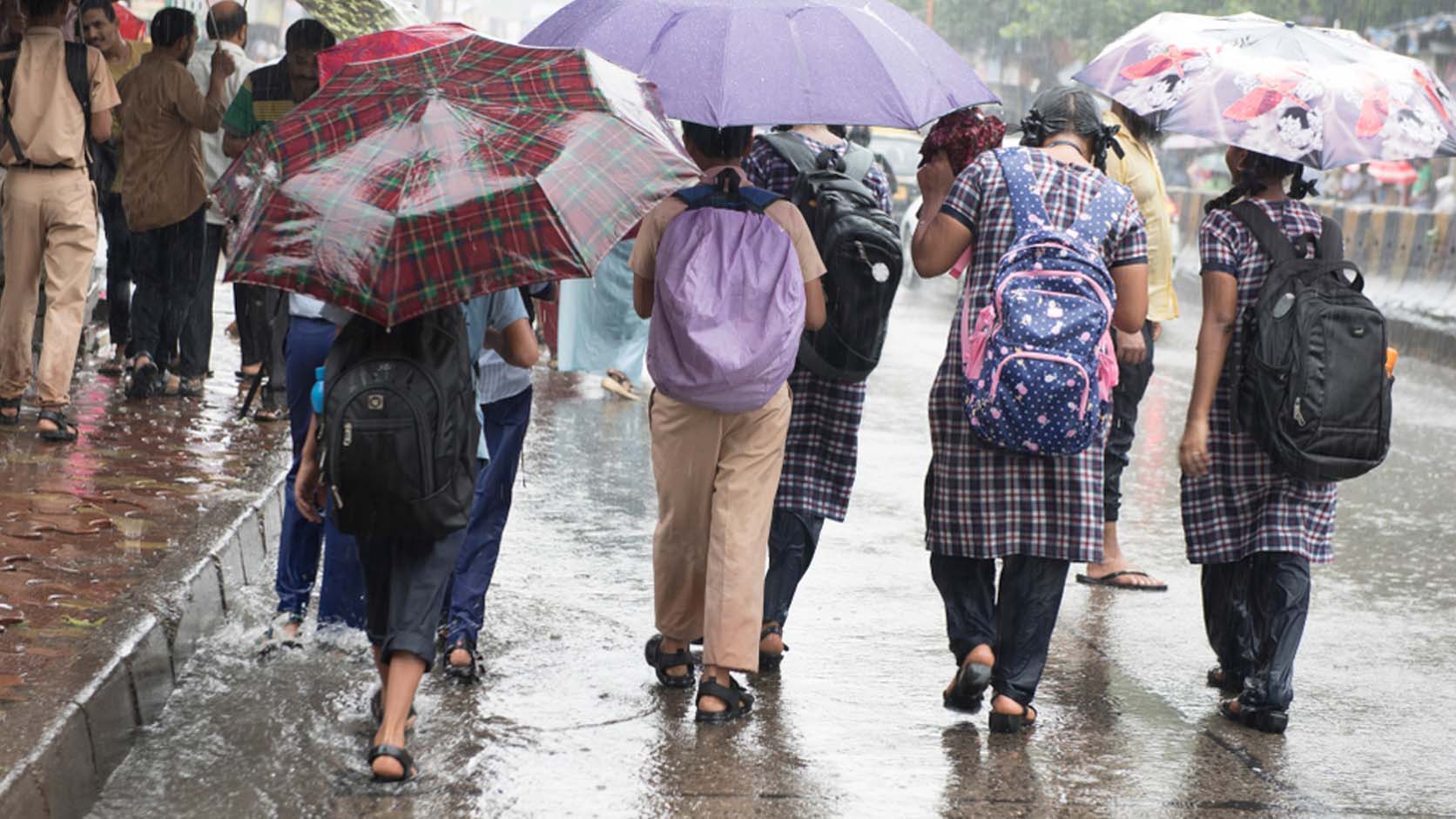
I remember the first time I watched a monsoon come in off the Arabian Sea. One moment the sky was a pale, tired grey. The next, it was as if someone had tipped over an enormous bucket — and the city of Mumbai simply disappeared into it. Streets that were navigable minutes earlier became rivers. School buses rerouted without warning. And parents, thousands of them, stood at windows wondering the same thing: is my child okay?
That feeling does not go away, no matter how many monsoons you have lived through. In Mumbai and Pune, the season arrives with a kind of breathtaking intensity that the rest of the country rarely experiences, and June — the month when schools reopen and the rains hit simultaneously is when that intensity is felt most acutely. In 2026, the monsoon is expected to reach the Mumbai coast between June 10 and 15, which means the first days back at school may well coincide with the season’s most unpredictable early weeks.
This guide is for the parents who stand at those windows. It will not make the rain stop. But it might make the season feel a little more manageable.
School Transport Safety
For most Mumbai and Pune families, the school bus is the first point of uncertainty when monsoon season arrives. Routes that are perfectly reliable in February can become genuinely problematic by the third week of June, as waterlogging, diversions, and road closures reshape the geography of the daily commute.
Before the season fully sets in, it is worth taking a few minutes to confirm with your child’s school that the bus routes have been reviewed and updated for monsoon conditions. Ask specifically about any stops near underpasses, low-lying roads, or areas known to flood — these are the stretches that catch families off guard. Equally important is understanding the school’s communication protocol when transport is disrupted. How will you be informed of a delay or cancellation? Is there a WhatsApp group, an app notification, or a direct call from the transport coordinator? Knowing this in advance is far more useful than finding out mid-morning when you are already at work.
One simple but non-negotiable rule: during heavy rain, children should never wait alone at bus stops. If the bus is running late and the weather is deteriorating, your child should have a clear plan — go back inside, call a parent, and wait for confirmation before stepping out again. A laminated card inside the school bag with two emergency contact numbers can make all the difference in a moment of confusion.
Health and Hygiene: The Invisible Monsoon Risk
The rains bring relief from the summer heat, and they also bring something less welcome: a sharp spike in waterborne and airborne illnesses. In Mumbai and Pune, June and July consistently see increases in cases of leptospirosis, typhoid, and gastrointestinal infections — all linked to contaminated water and compromised hygiene during the wet months.
The most effective protection is also the simplest: handwashing. Reinforce with your children that hands must be washed with soap before every meal, after using the bathroom, and certainly after any contact with rainwater or puddles. A small hand sanitiser tucked into the school bag provides a useful backup when soap is not immediately available.
Lunchboxes deserve a little extra thought during monsoon. Humidity accelerates spoilage, so food that sits well in March may not hold up by noon in June. Opt for dry, sealed snacks over anything with dairy or sauces, and consider an insulated container for meals that need to stay cool. This is not overcaution — it is practical monsoon parenting.
When children arrive home drenched — and they will the wet clothes and shoes should come off immediately. Damp fabric against the skin is a reliable path to a cold or fever. Keep a designated spot near the door for soggy shoes, and have dry clothes ready and waiting. If your child comes home with even mild symptoms like a slight fever, stomach discomfort, unusual fatigue always err on the side of keeping them home the following morning. A missed day of school is far less disruptive than a week of illness that spreads through the class.
On the Road: What Parents and Children Both Need to Know
Mumbai and Pune roads during peak monsoon are genuinely unpredictable. Waterlogging can appear within minutes of heavy rainfall, and what looks like a shallow puddle at the edge of an underpass can conceal a depth that is dangerous for vehicles and deadly for pedestrians. This is not an exaggeration — it is a lesson that reappears on local news every monsoon season.
For parents who drive their children to school, the rule is simple: build in extra time and never rush a flooded route. If the road ahead is submerged, turn around. No drop-off is worth the risk of a stalled engine in rising water.
For older children who commute independently which is a common reality for many secondary school students in both cities — the conversation about flowing floodwater is one worth having explicitly. Teach them that moving water, even water that appears shallow, carries force that can knock a person off their feet. Underpasses are particularly dangerous during heavy rain; no shortcut is worth the risk.
Make sure your child’s school ID or diary carries at least one emergency contact number. Phones run out of battery or get damaged in the rain — a written number is insurance against the moment when a device fails.
The Monsoon School Bag: What Goes in Every Day
There is a certain art to the well-packed monsoon school bag, and it is worth getting right at the start of the season rather than learning by experience.
A compact raincoat or poncho is more practical than an umbrella — it keeps both hands free and does not turn inside out in the wind. A spare set of socks and an inner clothing layer in a small waterproof pouch take up almost no space and have saved many a miserable afternoon. A waterproof cover for the school bag itself, or a fully waterproof bag for books and stationery, protects the things that cannot be replaced easily. An extra handkerchief rounds out the kit.
These are small preparations. But small preparations, done consistently at the start of every school day, are what make the difference between a monsoon that disrupts your child and one that simply passes over them.
How Billabong High Keeps Children Safe When It Matters Most
At Billabong High, child safety is never something we leave to chance — and that is especially true during the monsoon months. Our campuses in Mumbai and Pune follow rigorous safety protocols across transport, campus access, and health management. Bus routes are reviewed seasonally to account for road conditions, and our communication systems ensure that parents are informed promptly any time there is a disruption. Our teams in Mumbai and Pune are trained to respond quickly and calmly when the season brings its inevitable surprises.
If you would like to know more about how we partner with parents to keep children safe throughout the school year, we invite you to speak with our admissions team. We are here to answer your questions — in any weather.