


Top Preschools in India: How Parents Can Compare Curriculum, Fees, Readiness, and School Fit in 2026
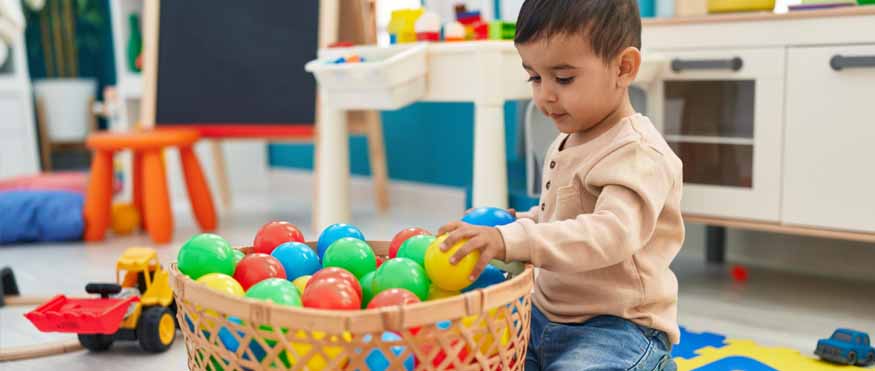
Choosing a preschool is no longer just about finding a safe first school. For many families, it is the first major academic decision they make, because preschool now sits within India’s broader foundational-stage thinking for children aged 3 to 8 under NEP 2020 and the National Curriculum Framework for the Foundational Stage. In practical terms, that means parents are not simply choosing “play school”; they are choosing the environment in which habits of curiosity, communication, independence, and early numeracy begin to form.
That is why the right way to evaluate preschools is not by glossy branding alone. Parents should compare teaching approach, adult-child interaction, readiness expectations, transition into Kindergarten and Class 1, safety systems, teacher quality, parent communication, and the school’s long-term academic philosophy. Billabong High’s own current brand language reflects this shift clearly: it positions learning as inquiry-based, child-centric, globally aligned, and academically strong, with emphasis on curiosity, communication, conceptual understanding, and confident thinking.
Before you shortlist options, here is the most useful parent takeaway: the best preschool is not the one with the loudest claim, the fanciest building, or the longest listicle presence. It is the school where your child feels safe, is known well by adults, learns through purposeful play, develops language and self-regulation steadily, and is prepared for the next stage without pressure or premature formalisation. That is the lens this guide uses.
Mini Table of Contents
- What parents should mean when they compare preschools
- How preschool fits into India’s 2026 education context
- What makes a strong preschool programme in practice
- Which curriculum approach suits your child best
- How to compare fees without being misled
- What admission criteria actually matter
- What questions to ask on a school visit
- What red flags parents should not ignore
- How to compare city lists, directories, and ranking pages
- When Billabong High becomes a useful option to consider
- Final parent framework before you apply
- FAQs
What should parents really look for in preschools in India?
The most reliable way to compare preschools is to start with outcomes, not labels.
A high-quality preschool should help children build five things steadily: emotional security, language confidence, social participation, independence in routines, and early cognitive readiness. At this age, “academic excellence” should not look like long worksheets, memorised answers, or forced writing drills. It should look like children asking questions, listening to stories, solving simple problems, expressing needs, participating in group routines, noticing patterns, and beginning to connect ideas.
A simple parent framework
When you visit or compare schools, judge them on these core areas:
● Emotional climate: Are adults warm, calm, and responsive?
● Learning design: Is the day structured around play, conversation, exploration, and movement?
● Teacher quality: Do teachers observe children closely and speak about development clearly?
● Language environment: Are children encouraged to speak, listen, describe, and ask?
● Foundational readiness: Are pre-literacy and pre-numeracy built conceptually, not mechanically?
● Safety and care: Are hygiene, supervision, transport, and child protection taken seriously?
● Home-school communication: Do parents get meaningful updates, not just event photos?
● Progression: Does the preschool connect smoothly to higher grades?
A preschool should feel developmentally appropriate. If it looks like a mini coaching centre, it is usually solving the wrong problem.
Why is preschool a bigger decision in India now than it was a few years ago?
Because preschool is now more clearly connected to the foundational stage of schooling.
NEP 2020 and the National Curriculum Framework for the Foundational Stage describe the first five years of the schooling continuum as three years of preschool plus Grades 1 and 2, covering ages 3 to 8. The policy emphasis is on play-based, activity-based, flexible, developmentally appropriate learning rather than early academic pressure.
For parents, this changes the question from “Should my child go to preschool?” to “Which preschool builds the right foundation for future learning?”
What this means in practical terms
It means your preschool decision affects:
● school readiness
● language and communication confidence
● social adjustment
● comfort with routines and group settings
● transition into KG and later Class 1
● parent expectations about formal academics
It also explains why more schools now talk about early years, foundational learning, and readiness instead of just nursery admission.
Common confusion parents face
Many families still assume a “good” preschool is one where children begin reading, writing, and doing formal sums early. But high-quality foundational education does not reject learning goals; it sequences them properly. Children need oral language, motor readiness, listening stamina, self-regulation, curiosity, and conceptual exposure before formal academic load increases. In 2026, preschool should be evaluated as the start of a learning journey, not as a holding room before “real school.”
What does a strong preschool programme actually include?
A strong preschool programme is easy to describe, even if it looks simple from the outside.
It includes well-planned routines, purposeful free play, guided group time, stories, music, movement, sensory exploration, early language experiences, pattern recognition, practical independence, and warm adult interactions. Good schools make this look joyful rather than performative.
The building blocks that matter most
1. Secure relationships
Children learn best when they feel emotionally safe. Teachers should know each child’s temperament, separation pattern, comfort triggers, and communication style. A child who feels seen settles faster and participates more.
2. Play with intention
Play is not the absence of learning. In the strongest classrooms, block play supports spatial awareness, role play supports language and social understanding, art supports expression and fine motor control, and outdoor play supports coordination and confidence.
3. Language-rich classrooms
Children should hear rich vocabulary, stories, songs, conversations, open-ended questions, and reflective listening. A good preschool does not only ask children to repeat; it invites them to respond.
4. Emerging numeracy and reasoning
Children begin to notice shape, size, sequence, matching, sorting, quantity, and pattern through materials and everyday routines. This is a stronger foundation than premature drilling.
5. Self-help and independence
Putting away materials, washing hands, eating independently, following transitions, and making small choices are not side skills. They are part of school readiness.
6. Observation and feedback
The school should be able to explain how it tracks progress: not just “Your child is doing well,” but what the child is now able to do, where support is needed, and how home can reinforce learning.
If a school cannot explain what children learn through play, it may not have a strong pedagogy behind the classroom experience.
Which curriculum or teaching approach should parents compare first?
Parents often ask whether they should prefer Montessori, play-based, EYFS-style, thematic, or an integrated early years programme. The better question is whether the school’s approach is coherent, developmentally appropriate, and consistently delivered.
Across India, preschool directories and comparison platforms list schools by curriculum, fees, reviews, admissions, and facilities, which shows how parents increasingly compare early childhood options through structured filters rather than word of mouth alone.
The main approaches parents are likely to encounter
|
Approach |
What it usually emphasises |
What parents should check |
|
Play-based |
Learning through guided play, stories, exploration, movement |
Whether play is purposeful and planned |
|
Montessori-inspired |
Independence, self-correction, concrete materials, mixed skills |
Whether staff are trained and implementation is authentic |
|
Thematic / integrated |
Topics connect language, art, concepts, and experience |
Whether themes go beyond decoration into real learning |
|
Inquiry-led early years |
Questioning, observation, exploration, expression |
Whether teachers know how to scaffold thinking, not just activity |
|
Academic-heavy preschool |
Early worksheets, writing drills, visible “results” |
Whether the pressure is age-appropriate or excessive |
How to decide which one suits your child
Choose based on your child’s learning profile, not only on trend.
A child who is naturally verbal and curious may thrive in discussion-rich, inquiry-led settings. A child who needs routine and predictability may respond well to well-structured classrooms with calm transitions. A child who is shy may need a more nurturing adult-led start before participating confidently in group exploration.
Ask the school to describe an actual school day. This reveals more than labels do. If the answer is vague, heavily decorative, or focused only on “activities,” keep probing. If the answer shows progression, intentionality, and developmental understanding, that is a stronger sign. Curriculum names matter less than classroom practice, teacher capability, and age-appropriate expectations.
How should parents compare fees, rankings, and “top lists” sensibly?
This is where many parents lose clarity.
When people search for the best preschool in India, they often end up on list pages, directories, location aggregators, or private ranking-style roundups. Those tools can be useful for discovery, but they should not be treated as a final decision framework. School discovery platforms currently organise preschool options by city, fees, curriculum, reviews, and proximity, which is helpful for shortlisting, but parents still need direct school verification before they rely on any comparison.
What to remember about fees
Preschool fees vary widely by:
● city and locality
● programme duration
● board alignment in later years
● campus infrastructure
● teacher-student ratios
● transport and daycare additions
● brand network and school positioning
So, instead of asking, “What is the national average?” ask:
● What is included in the annual fee?
● Is transport extra?
● Are meals, materials, uniforms, and events billed separately?
● Does the school revise fees yearly?
● Is there a one-time admission or registration charge?
● What happens if we withdraw mid-year?
Billabong High’s own 2026 admissions content notes a registration fee to access the brochure and fee structure during the process, and its city preschool pages direct parents to request fees structure rather than rely on generic public assumptions.
What to remember about rankings
Parents frequently search terms like top 10 preschools in India, but these lists often combine mixed criteria such as chain size, popularity, user ratings, editorial selection, or city wise visibility. Use them as a market map, not as a substitute for school evaluation.
A useful ranking for parents is actually a personalised one:
1. Fit for your child
2. Teaching quality
3. Safety and trust
4. Communication with families
5. Long-term progression
6. Practical commute
Fees and list positions are starting points for comparison, not proof of quality.
What admission criteria should parents expect in 2026?
For preschool, the most common filters are still age eligibility, document readiness, seat availability, interaction process, and family-school fit.
At Billabong High, the current admissions guidance for the 2026 session frames preschool and Class 1 as part of one broader journey, with age criteria of 3+ for Nursery, 4+ for Junior KG, 5+ for Senior KG, and 6+ for Class 1 by the relevant cut-off date. The school describes Nursery and KG interactions as informal and play-date-like, while Class 1 readiness is handled differently through a competency-oriented fitment process.
What this tells parents more broadly
Strong preschools should not behave like exam centres.
For nursery and kindergarten entry, a child should usually not be tested in a high-pressure way. Instead, schools may observe:
● comfort with separation
● listening to simple instructions
● basic interaction
● emotional readiness
● language expression appropriate to age
● developmental fit for the group
Documents parents should prepare early
Most schools ask for some combination of:
● birth certificate
● parent ID proofs
● address proof
● photographs
● immunisation or medical information where required
● transfer or previous school details for older entry points
Do not coach your child for preschool “interviews” as if they are entrance exams. A calmer, more authentic interaction gives the school a better view of readiness and protects your child from unnecessary anxiety. The right admissions process should feel structured, transparent, and child-sensitive.
What questions should parents ask during a preschool visit?
A school visit is one of the best tools you have, provided you ask the right questions.
Do not limit the visit to campus beauty, wall displays, and brochures. Ask questions that reveal daily life.
Questions worth asking
About teaching and learning
● What does a typical day look like?
● How much of the day is child-led versus teacher-led?
● How do you build early language and numeracy?
● How do you support children who settle slowly?
About teachers
● What training do early years teachers receive?
● How stable is your teaching team?
● How many children does each adult supervise?
About care and wellbeing
● How do you manage separation anxiety?
● How are accidents, illness, and hygiene handled?
● What are your child safety and visitor protocols?
About communication
● How often do parents receive developmental updates?
● Do you share observation-based feedback?
● How do you handle parent concerns?
About progression
● How does the school prepare children for KG and Class 1?
● If the school has higher grades, how smooth is the transition?
What to observe quietly
Sometimes what you see matters more than what you are told.
Notice whether teachers crouch to speak to children at eye level. Notice whether classrooms sound engaged or chaotic. Notice whether children are always waiting passively or actively participating. Notice whether displays reflect children’s work or adult perfectionism. A good visit should leave you with clarity, not just a positive feeling.
What are the warning signs that a preschool may not be the right fit?
Parents often ignore red flags because the building looks polished or the school is popular locally. That can be an expensive mistake.
Important red flags
● Overemphasis on worksheets and memorisation for very young children
● Excessive performance pressure or “results” language at nursery stage
● Teachers who speak more about discipline than development
● Vague answers about pedagogy
● High child-to-adult ratios without clear support systems
● Weak hygiene and supervision routines
● Limited outdoor or movement opportunities
● Poor parent communication norms
● No clear process for emotional adjustment or individual differences
A less obvious red flag
Be cautious when every child product looks identical. In early childhood, variation is natural. If all output appears overly standardised, the programme may be prioritising compliance over expression.
Trust repeated patterns, not one polished interaction. If possible, speak to current parents about settling, communication, responsiveness, and how the school handles everyday issues, not just annual events. A preschool should feel calm, capable, and developmentally intelligent, not merely impressive.
How should parents use online directories and city comparison pages?
Use them to widen your options, narrow your geography, and build a shortlist.
Platforms such as SchoolMyKids and HelloParent currently help parents filter preschools by city, fees, ratings, reviews, curriculum, and admissions information, which makes them useful for discovery, especially in large urban markets where families compare multiple neighbourhoods.
A smart way to use these resources
Step 1: Build a longlist of 8 to 12 schools
Step 2: Filter by travel time and age eligibility
Step 3: Compare approach, safety, and progression
Step 4: Visit the top 3 to 5 options
Step 5: Verify fees and admissions directly with the school
Step 6: Decide based on fit, not internet noise
A note on search behaviour
Many parents begin with broad phrases such as “preschool near me,” “fees,” “reviews,” or “which school is best.” That is normal. But broad searches should lead to sharper questions. After your initial search, start comparing actual fit variables: adult quality, learning philosophy, transition, safety, and communication. Discovery platforms are useful; decision-making still needs first-hand validation.
When does Billabong High become a strong option for parents to consider?
Billabong High becomes especially relevant when parents want an early years environment that feels nurturing but not loose, future-focused but not performative, and academically serious without becoming developmentally inappropriate.
Across its current website and recent education content, Billabong High consistently describes its philosophy in terms of curiosity, inquiry, conceptual understanding, communication, collaboration, and confident thinking. Its group-level preschool positioning through Kangaroo Kids emphasises moving beyond rote learning toward creativity, emotional intelligence, evidence-based practice, and learner-centric pedagogy.
What this means for parents in practical terms
Parents may find Billabong High especially aligned if they are looking for:
● a child-centric environment
● inquiry-driven classroom experiences
● globally aligned thinking without losing academic structure
● stronger continuity between preschool and later schooling
● emphasis on communication, conceptual learning, and confidence
Its current preschool and admissions pages also show a practical parent orientation: age-appropriate preschool admissions, a smoother umbrella view from preschool to Class 1, and branch-level information for different cities.
Why this matters
For many families, the right preschool is not just about the first two years. It is about whether the school’s early years philosophy will still make sense when the child reaches primary school. That continuity matters. It reduces avoidable transitions, helps parents understand expectations early, and supports children with a more stable sense of belonging.
When considering Billabong High, do not stop at brand familiarity. Ask the same rigorous questions you would ask any school: how inquiry looks in preschool, how teachers are trained, how progress is shared, how routines are structured, and how transition to higher grades works at your chosen campus. Billabong High is most relevant for families seeking a premium early learning environment that combines warmth, inquiry, and long-term academic direction.
How can parents make the final decision without overthinking it?
Use a disciplined comparison sheet. Once you have visited your shortlist, score each school from 1 to 5 on:
● emotional warmth
● teacher quality
● learning clarity
● safety and hygiene
● communication
● child comfort
● progression to next stage
● commute practicality
● cost transparency
● overall fit
Then ask two final questions:
1. Can I picture my child feeling secure and expressive here?
2. Does this school’s approach make sense for the next several years, not just the next few months?
If the answer is yes to both, you are close to the right decision.
The most useful mindset for parents
Do not chase prestige alone. Chase fit with standards. The strongest early childhood choices usually come from combining head and heart: a warm feeling supported by visible teaching quality, clear routines, safe systems, and a philosophy you can trust.
Final takeaway
Among the many preschools in India, the right choice is the one that builds readiness without rush, confidence without pressure, and joyful learning without confusion. If you want a school that reflects child-first values while staying inquiry-driven, globally aligned, and academically strong, Billabong High is worth considering in the later stages of your shortlist. And when you compare any preschool in India, remember that the best decision is rarely the noisiest one online; it is the one that clearly fits your child.
FAQs
How many years does preschool usually include in India?
Most preschool pathways in India cover nursery and kindergarten stages across roughly two to three years, though naming and structure can vary by school. Under the broader foundational-stage framing, preschool is increasingly understood as part of the larger 3-to-8 learning continuum.
What age should a child be for nursery admission?
In many schools, nursery entry begins around age 3+, with later KG stages following age progression. For example, Billabong High’s current 2026 guidance lists 3+ for Nursery, 4+ for Junior KG, 5+ for Senior KG, and 6+ for Class 1 by the relevant cut-off.
How do parents identify the best preschool in India for their child?
Start with fit, not fame. The best option is the one that offers emotional safety, strong teachers, purposeful play, clear communication, and a good transition into the next stage of schooling.
Should preschool be academic or play-based?
For early childhood, play-based and activity-based learning is more developmentally appropriate than formal academic pressure. National foundational-stage guidance in India also emphasises play, flexibility, and age-appropriate pedagogy for children aged 3 to 8.
Are preschool rankings reliable?
They can help with discovery, but they should not be your final decision tool. Use ranking-style pages, reviews, and directories to make a shortlist, then verify teaching quality, fees, safety, and fit directly with the school.
What should parents compare besides fees?
Compare teacher quality, classroom interaction, hygiene, safety, communication, settling support, curriculum design, and progression into primary years. Lower fees do not always mean better value, and higher fees do not automatically mean better early childhood practice.
Is an integrated preschool-to-primary pathway useful?
Yes, often it is. When a school has alignment between preschool and later grades, transitions can become smoother because expectations, communication systems, and learning philosophy are already familiar. Billabong High’s 2026 admissions content explicitly presents preschool to Class 1 as one broader journey.
How should parents use a top 10 preschool in India list?
Use it only as a starting point. Treat it as a discovery tool to identify names, locations, and broad categories, then evaluate schools individually through visits, parent conversations, and direct admissions discussions.
Latest Blogs




CATEGORIES

March 16, 2026
Top Schools in Maharashtra: A Parent’s 2026–27 Guide to Choosing the Right School
Read More
March 16, 2026
Top International Schools in India: A Parent’s 2026 Guide to Choosing the Right School, Curriculum, and Campus
Read More
March 16, 2026
List of all Reputable Schools in India: A Parent’s 2026 Guide to Choosing the Right School with Confidence with a deep analysis
Read More

March 13, 2026
Top Schools in Vadodara: A Parent’s 2026 Guide to Choosing the Right School (and How Billabong High International School Fits)
Read More