


The Science of Sleep
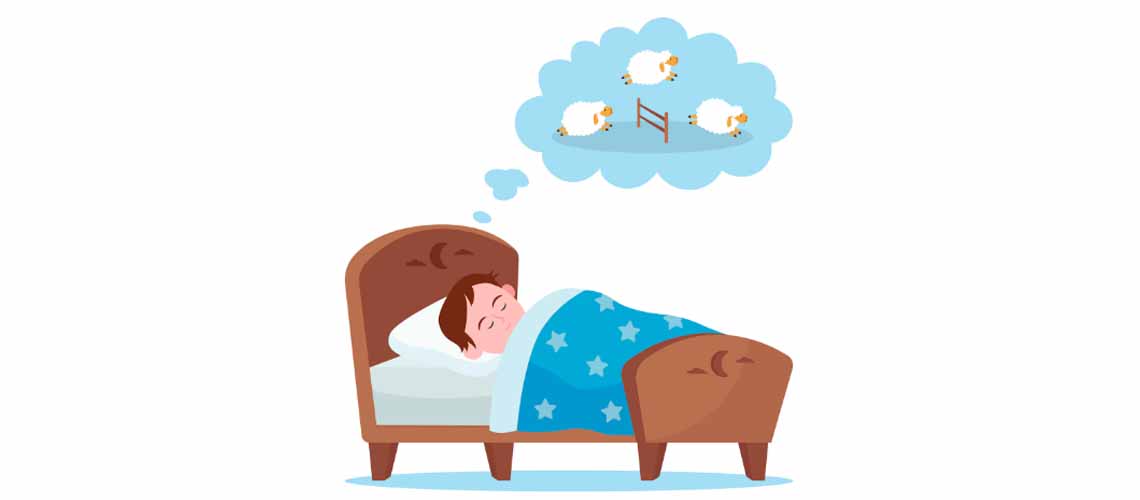
Over 32% of the world is sleep-deprived, and India ranks 2nd in the most sleep-deprived countries globally. In the U.S. alone, about 50 to 70 million people do not sleep well. Did the pandemic trigger this sudden sleep crisis? Is social media the culprit, almost lulling every parent into throwing away mobile phones to aid sleep for teenagers as it seems to affect academic performance?
As funny as it might sound, loss of sleep is a serious concern leading to serious physical, mental and emotional conditions. We will dive deep into the causes of sleep deprivation, the science of sleep, and solutions for individuals struggling to sleep.
What is the Science of Sleep?
Every day, our body naturally finds a way to transition from wakefulness to a state of deep rest where most of the restoration activities happen. The science of sleep, termed somnology, involves the study of the brain’s activities and functions during sleep.
Sleep consists of two parts: the Non-Rapid Eye Movement (NREM) phase and the Rapid Eye Movement (REM) stage. Sleep is induced by hormones in our body that are in sync with the circadian rhythm or your sleep cycle. During sleep, the brain functions to restore the body to its optimal state. The body repairs itself, clears toxins from the brain, and consolidates memories.
A Little More About NREM & REM Phases of Sleep
Non-Rapid Eye Movement (NREM) has 3 stages:
- Stage 1 NREM: Lasts for about a few minutes, is superficial and comprises only 5% of our total sleep duration.
- Stage 2 NREM: Helps your brain reorganise memories and process information and comprises 45% of your sleep duration.
- Stage 3 NREM: The next deep state of sleep, where your body repairs injuries and reinforces the immune system; it comprises only 25% of the sleep hours. This sleep stage is required for us to feel well-rested after waking up.
Rapid Eye Movement (REM) The brain moves back to NREM Stage 2 to enter the REM stage of sleep, where our eyes move behind our eyelids while dreaming. Your first REM cycle is only 10 minutes, and there are multiple REM cycles with larger durations than before.
How Do Science and Psychology Explain Dreams?
During the REM state, we experience vivid sensory, emotional and cognitive experiences termed dreams.
- Active Areas: During dreams, our amygdala (emotional centre), hippocampus (memory consolidation and storage), and visual cortex (Sight processing) are active.
- Inactive Area: The Prefrontal cortex (logic and planning) is not active, hence we see dreams that are weird and incoherent.
Psychology explains dreams as a mechanism by which the human mind compensates for events that do not happen in the conscious state. Dreams also help reactivate emotional memories that were disturbing in waking life, reducing their emotional charge.
Common Sleep Deprivation Disorders
Some common sleep disorders affecting quality of sleep include:
- Circadian rhythm: Dysregulated body’s 24-hour internal clock.
- Insomnia: Persistent difficulty falling or staying asleep.
- Sleep-wake disorders: Timing problems with sleep.
- Sleep apnea: Breathing repeatedly stops.
- Sleep-related eating disorder: Eating while asleep.
- Sleepwalking (somnambulism): Walking while sleeping.
What causes sleep disorders? Common reasons include irregular work schedules, substance abuse (caffeine, alcohol, nicotine), lack of nutrition, hormonal imbalance, anxiety, stress, depression, and medical issues.
Six Tried-and-Tested Methods to Iron Out Sleep Irregularities
- Start with baby steps: Set a definite time that does not seem impractical, and try to adhere to the alarm timings.
- Prep your body and mind: If you feel too hyperactive before hitting the bed, have a warm shower, smear a generous amount of moisturiser on your feet and hands, wear clean nightwear and hit the bed.
- Hit the bed only when you are sleepy: If you hit the bed without feeling sufficiently sleepy, you end up doomscrolling. While in bed, just relax and try to sleep.
- No screentime before sleep: Avoid screen time at least 2 hours before sleep so your mind is not focusing on random social media reels. Keep your laptop away for at least 2 hours before bedtime.
- Meditation & Breathwork: Mediation is invariably the reset button for your mind, and it is like giving a hug to yourself, and that lulls you to sleep easily.
- Journaling: Through journaling, you offload your thoughts onto a piece of paper and that irons out the creases of unresolved issues. Write whatever is on your mind and include your accomplishments, challenges and emotions.
Takeaway
Sleep deprivation affects work and academic performance, emotional regulation, aids unhealthy weight gain, irritability and releases an increased amount of cortisol in the body. Taking the right step at the right time is absolutely crucial to take control of life and not be a victim of poor eating, drinking and sleeping habits.
At Billabong High International School, we focus on our student’s health and wellness. A good night’s sleep means a next day of heightened productivity and a steep learning curve. Visit us to learn how we encourage our students to lead a healthy life.