

The History of Theatre
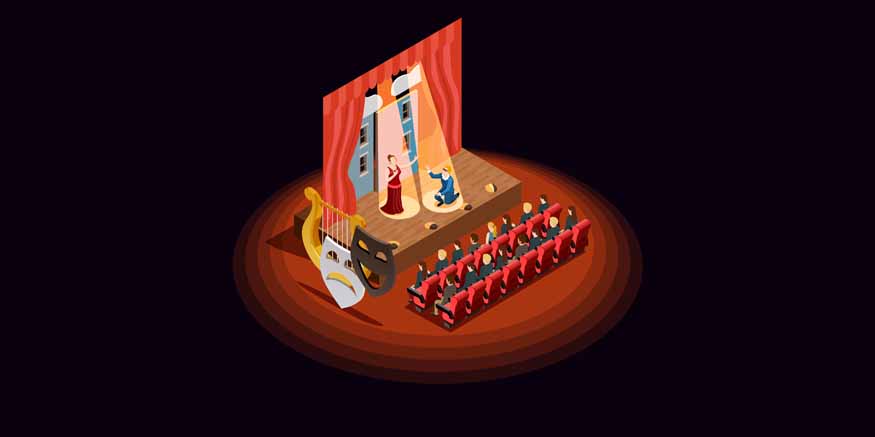
Theatre started off as a straightforward means of celebrating important events, sharing local tales, and expressing feelings. Theatre evolved over thousands of years from open spaces to massive stages including light, music, and powerful performances. What started off as straightforward storytelling eventually grew into a well-known art form that captures society, culture, and human creativity. People are still fascinated with theatre because it brings concepts and characters a life that no other medium can.
How Early Humans Created the First Stage
The earliest theatre began with people telling stories and using gestures. These simple actions slowly developed into organized performances. Even without real theatres, communities acted out weather events, victories, and fears. These early performances laid the foundation for drama and inspired many cultures.
Ritual Performances
- Fireside gatherings helped people share myths and ancient stories.
- Body movements sometimes replaced spoken words.
- Music and natural sounds supported stories.
These moments made daily life more meaningful and prepared the ground for future performance arts.
Ancient Civilizations Shaped Theatrical Traditions
As civilizations grew, people found new ways to present stories. This period added important chapters to the history of theatre.
Egyptian Theatre: Gods and Kings Ancient Egyptians used theatre to honour their gods. Dramas focused on deities like Osiris and often took place in temples with music, masks, and dance. Key features:
- Religious and mythological stories.
- Ritual movements and chants.
- Actors representing gods and kings.
Greek Theatre: Birth of Classic Storytelling Ancient Greece had a huge impact on the history of theatre. Playwrights like Sophocles and Euripides were some of the first big names in the field, focusing on the moral decisions and responsibilities people face. Key features:
- A chorus explaining the story.
- Masks showing emotions.
- Tragedy and comedy separated clearly.
Roman Theatre: Spectacle and Entertainment The Romans took ideas from the Greeks and turned them into grand entertainment. They preferred louder, bigger, and livelier shows, building huge theatres and adding humour, music, dance, and acrobatics to keep the audience excited.
Beautiful Contributions from Asian Theatre
Asia added depth and variety to the global history of theatre through its unique styles and strong artistic traditions.
India’s Classical Stage Ancient writings like the Natyashastra, which outlined precise guidelines for acting, music, and movement, were the foundation of Indian theatre. Indian drama told stories using dance, music, facial expressions, and symbolic gestures.
Chinese and Japanese Theatre China developed opera-style storytelling that used bright colours, strong movements, and musical rhythms. In Japan, forms like Noh and Kabuki grew, each known for stylized actions and rich storytelling.
Theatre during the Medieval Period
After the Roman Empire collapsed, European theatre changed direction. Performances moved from grand stages to church spaces. Religious groups used simple plays to teach moral messages. Major features:
- Biblical stories acted out.
- Characters representing values like honesty or greed.
- Easy-to-understand dialogue.
Renaissance: Great Ideas Returned
The Renaissance brought back interest in creativity, literature, and the arts. Writers experimented with new techniques, and theatre became a popular social activity again.
Shakespeare and Other Icons Shakespeare’s plays had a major impact on the development of theatre. His stories explored human emotions such as love, ambition, and sorrow. Writers in Italy and Spain also contributed fresh styles, adding variety to performance arts.
Growth of Stage Design During this era:
- Indoor theatres became common.
- Backgrounds and painted scenery improved.
- Lighting began to guide audience attention.
The Modern Age Opened New Doors
With the start of the modern age, theatre began to face new expectations. Audiences wanted performances that showed real life and spoke about social issues.
Rise of Realism Writers focused on everyday struggles, social pressure, and emotional tension. Their work gave drama a deeper and more human tone.
Experimental Theatre Innovative directors used minimal sets, symbolic lighting, and abstract storytelling to push the boundaries of the history of theatre.
Present-Day Theatre: Technology Meets Tradition
Today, theatre blends ancient techniques with modern technology. Screens, digital effects, and moving platforms help create striking environments that make stories more engaging.
- Digital Tools on Stage: Projection mapping, surround sound, and creative lighting allow directors to design fully immersive shows.
- International Collaborations: Artists from different countries now work together, bringing diversity and new ideas to performance arts.
- Reviving Classic Plays: Many theatres still perform old famous plays because people connect deeply with their emotions.
Why Theatre Still Matters Today?
Even with movies, web series, and digital entertainment everywhere, theatre still holds a unique place. A live performance creates a strong emotional experience that screens cannot give.
- A Real Human Connection: Actors and audiences share the same space, creating a special feeling that only live performance arts can offer.
- Theatre Inspires Reflection: The power of drama helps people think about their own experiences, choices, and relationships.
- A Source of Learning: Theatre teaches us about history, human behaviour, social values, and creativity.
Conclusion
The long journey of the history of theatre shows how much humans value stories. From ancient rituals to today’s digital stages, each period added something important to performance arts. As cultures change and technology advances, theatrical history continues to grow, proving that the stage will always remain a meaningful part of human life.
Discover endless learning opportunities—where creativity and expression are encouraged—at Billabong International High School (BHIS). To learn more about our curriculum, contact us today!