


A Guide to Sustainable Fashion
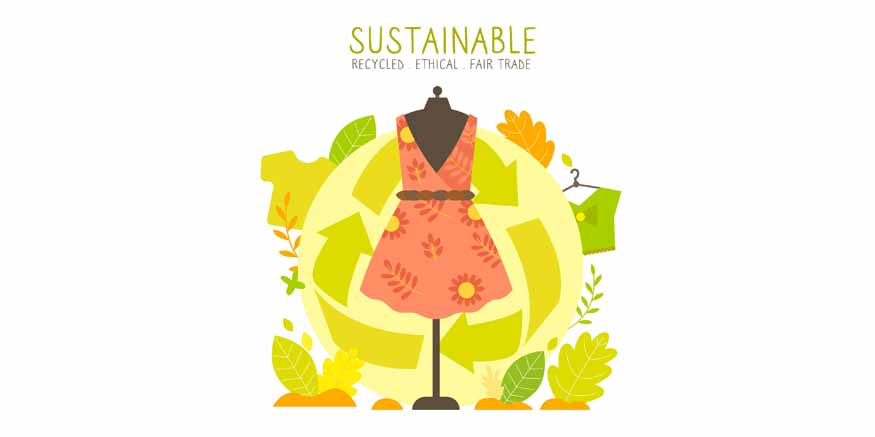
Clothing manufacture and fashion have transformed over time. Clothes that promote job safety, are durable, and are more ecologically friendly are becoming more and more popular. Interest in sustainable fashion, a movement that encourages ethical choices across the whole production process, has increased as a result of this change.
What it is, why it matters, and how you may help bring about this positive change are all explained in the information that follows.
What Does Sustainable Fashion Really Mean?
Eco-friendly products and manufacturing methods are favoured by sustainable fashion. It encourages resource-efficient, waste-free, and pollution-free production. This also ensures that the workers who produce our clothing are treated properly and in a safe manner.
Selecting well-made clothes rather than purchasing a large number of poor-quality items is the basic concept of sustainable fashion. It promotes apparel that is more durable and does not break easily. These decisions help in preserving the environment and direct consumers towards more intelligent, considerate purchasing practices.
Why Better Decisions Are Needed in the World?
The apparel business is one of the most demanding industries since it utilises a lot of water, electricity, and chemicals. Experts are focussing on the need for sustainable fashion more and more because existing production damages the environment.
The design, manufacturing, and use of clothing need to be reconsidered. Choosing products manufactured using sustainable practices reduces waste and pollution. These ethical decisions benefit the environment, safeguard the natural world, and enhance the welfare of those engaged.
An Eco-Friendly Fashion Approach That Is Cleaner
- Making Use of Better Materials: Materials like bamboo, recycled polyester, organic cotton, and linen are preferred because they use fewer resources and do not use harsh chemicals.
- Reducing Damage in Production: Brands use natural colouring methods, environmental packaging, and renewable energy sources to lower pollution and carbon emissions.
- Clever Methods for Cutting Waste: Repairing damaged clothing, recycling old items, and making products out of recycled materials all contribute to reducing landfill waste and the overall impact on the environment.
Respecting Communities and Workers in Ethical Fashion
Ethical fashion guarantees that workers are treated fairly and with respect and focusses on the human aspect of garment manufacture. By offering fair pay and secure working conditions, it helps manufacturing workers, farmers, dyers, and tailors.
Companies that follow ethical fashion standards stay away from unsafe working conditions, child labour, and forced labour. These companies follow moral business standards that protect workers’ rights and offer reasonable deals. Buying from these businesses helps thousands of workers’ lives and promotes a more balanced world economy. This shows that ethical fashion develops to become an effective tool for justice and social change.
Conscious Consumerism: Your Decisions Are Important
Conscious consumerism is the last and most important component of this trend. It means making careful purchases rather than quick ones. Before making a purchase, a conscientious consumer examines the material, the manufacturing source, and the ethics of the seller.
Key questions to ask include:
- Do I really need this item?
- How long will it last?
- Was it made ethically?
Brands have a responsibility to live up to higher standards when more individuals engage in conscious consumerism. This consumer pressure changes market demand and promotes sustainability in the fashion sector.
Clothing’s Effect on the Environment
Harsh chemicals and colours are used in the textile business, and some of these firms release untreated waste water into rivers, endangering both humans and wildlife. This is why sustainable fashion supports cleaner production methods.
Among the most significant issues are:
- Overuse of water
- The addition of synthetic microfibers into the water
- Increased emissions of carbon
- Mountains of abandoned clothes
- Harmful chemicals and dyes
These problems highlight the need for increased accountability from consumers and brands. One crucial step in reducing this ecological harm is to support the sustainable fashion industry.
Materials That Support a Better Future
Choosing the proper cloth can have a major effect. The materials listed below are frequently utilised in eco-friendly fashion:
- Cotton that is organic: Toxic substances are not used in the cultivation of this cotton. It protects the health of the soil and uses less water.
- Hemp: A strong, long-lasting plant that requires relatively little water or land. Hemp fabric is biodegradable and has a long lifespan.
- Tencel (Lyocell): This fibre is made from wood pulp and is produced using an automated technology, which reuses chemicals rather than dumping them.
- Recycled Textiles: New textiles can be made from plastic bottles, used garments, and industrial waste. This reduces pollution and promotes the sustainability of the fashion business.
- Linen: Flax plants are used to make linen, which requires very little insecticide. Because it is durable and breathable, it is a favourite in eco-friendly fashion.
Creating a Future in Fashion That Is More Ethical
Millions of lives could be changed by a shift to ethical fashion. Workplaces that respect ethical standards are safer and treat their workers with dignity. Additionally, a lot of companies have begun to provide community support initiatives, health benefits, and skill training.
Customers can verify qualifications like:
- Fair Trade
- B Corp
- Australian Ethical Clothing standard
These marks assist consumers in identifying companies that follow moral standards. One can safeguard workers from unfair practices and promote global well-being by supporting sustainable fashion.
A New Perspective on Buying
A major part of the change comes from everyday choices. Asking questions, researching businesses, and selecting products that reflect your values are all encouraged by conscious consumerism. When buyers actively look for responsible solutions, firms are forced to improve their ways.
Some straightforward strategies to conduct conscious consumerism include:
- Purchasing less but better
- Examining product labelling
- Staying away from unnecessary trends
- Providing support to local manufacturers
- Selecting recycled or natural textiles
- Repairing clothing rather than throwing it away
These practices improve the value of your clothing and promote sustainable fashion.
Little Actions for a Huge Effect
You can begin your journey with these easy steps:
- Reuse before Purchasing New: Use old clothing for multiple events or transform them into new trends.
- Make Responsible Donations: Ensure that individuals or organisations that genuinely need your used clothing receive it.
- Select Durable Products: By reducing frequent purchases, durable apparel promotes the fashion industry sustainability.
- Be aware of quick fashion purchases: Purchasing cheap apparel in bulk leads to waste and forces manufacturers to overproduce.
- Encourage Open Brands: Select companies that openly disclose the manufacturing process of their goods.
The Future of Fashion Industry Sustainability
In order to reduce its negative effects on people and the environment, the fashion industry needs to change for the future. To encourage a more sustainable future, many companies are starting to use recycling techniques, ethical production methods, and emission-reducing technologies.
Governments and international bodies are passing laws requiring businesses to act morally and openly. Cleaner production methods, safer working conditions, and more environmentally friendly activities are all favoured by these standards. As awareness grows, it is expected that sustainability in the fashion industry will move on from a trend to a standard and acceptable technique of producing clothes.
Conclusion
Better choices lead to a better world, and the growth of sustainable fashion proves how businesses and consumers can work together to lessen harm, protect workers, and preserve natural resources. By supporting ethical design, buying eco-friendly apparel, and practising conscious consumerism, everyone can contribute to the development of a more responsible global movement. You can use your clothing to impact fashion trends with every thoughtful decision you make.
Get in touch with Billabong High International School (BHIS) right now to find out more about our curriculum!
Latest Blogs





CATEGORIES

March 17, 2026
Top Preschools in India: How Parents Can Compare Curriculum, Fees, Readiness, and School Fit in 2026
Read More
March 16, 2026
Top Schools in Maharashtra: A Parent’s 2026–27 Guide to Choosing the Right School
Read More
March 16, 2026
Top International Schools in India: A Parent’s 2026 Guide to Choosing the Right School, Curriculum, and Campus
Read More
March 16, 2026
List of all Reputable Schools in India: A Parent’s 2026 Guide to Choosing the Right School with Confidence with a deep analysis
Read More