


The Role of Music in Cognitive Development
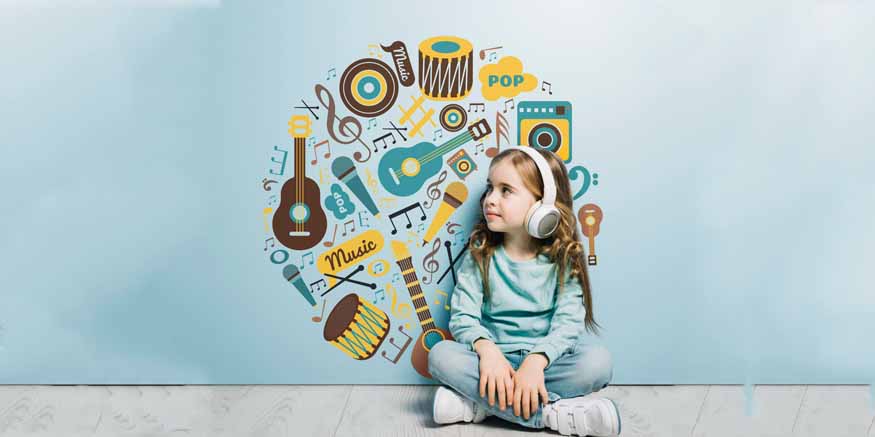
Music creates relationships, offers comfort, and evokes feelings in ways that words often cannot. However, music affects the intellect in addition to just being beautiful. From assisting babies in identifying sounds to enhancing adults’ concentration and creativity, music has few yet significant benefits for brain development. It sharpens learning, increases attention, and enhances memory in ways that last a lifetime. This blog will go over how music education improves education, music benefits for children and adults, and how learning and music together create happier, more educated minds.
What is Cognitive Development?
Cognitive development is the process by which the brain develops and becomes more capable of understanding and thinking. It involves abilities like focus, memory, communication, and problem-solving. The brain keeps evolving as we mature to facilitate learning, judgement, and social relationships. This process is made possible by music, which uses melody and rhythm to activate various brain regions. In addition to making the experience more pleasurable, this increases focus, learning speed, and quick responses.
How Does Music Affect the Brain?
Playing or listening to music engages several areas of the brain simultaneously, including those responsible for hearing, movement, emotions, and memory. Singing, clapping, or playing instruments strengthens coordination and neural connections, making the brain more adaptable. Very few activities stimulate the brain so fully, which is why music is closely linked to cognitive growth.
Activates Multiple Brain Regions –
Different parts of the brain work together during music, enhancing memory, attention, and emotional processing.
Strengthens Neural Connections
Regular practice helps form new neural pathways, supporting learning and creative problem-solving.
Enhances Creativity
Deciding how to play, sing, or express emotion encourages flexible thinking and innovative solutions.
The Power of Music Education.
Learning an instrument or receiving formal music instruction offers a wide range of benefits for children and young learners:
- Skill Building: Playing instruments gradually teaches children to manage sound, movement, and coordination, helping develop both mental and physical abilities step by step.
- Improves Focus and Patience: Consistent practice not only enhances attention span and concentration but also encourages persistence, discipline, and the ability to stay committed to tasks.
- Encourages Creativity: Music stimulates imagination and creative thinking, whether through composing, improvising, interpreting pieces, or experimenting with new sounds and ideas.
- Promotes Teamwork: Participating in group music activities helps children learn how to listen actively, collaborate effectively, and show respect for others’ contributions.
- Supports Academic Growth: Music strengthens brain areas connected to language, memory, and logical thinking, which can lead to improved performance across reading, maths, and other academic subjects.
Music Helps with Language Skills
Music naturally supports language development in children and helps them become confident communicators:
- Better Speaking and Listening: Singing songs, repeating sounds, and following musical patterns enhance communication skills, pronunciation, and attentive listening.
- Stronger Reading and Vocabulary: Engaging with songs, rhymes, and lyrics introduces new words, improves sound recognition, and strengthens reading comprehension.
- Improved Auditory Awareness: Music helps children differentiate tones, pitch, and rhythm, which supports their ability to understand spoken language and follow instructions more accurately.
- Enhanced Expression: Learning through music encourages children to express ideas clearly and with confidence, supporting both verbal and non-verbal communication skills.
How Music Supports Learning?
Music naturally makes learning more engaging and helps the brain process new information efficiently. Children often use songs to remember the alphabet, multiplication tables, or days of the week. The combination of rhythm and melody makes information easier to retain, turning study time into an enjoyable experience and reinforcing cognitive growth.
- Better Understanding: Music helps children grasp new concepts more quickly and clearly.
- Improved Memory: Melodies and repetitive patterns make it easier to retain information for the long term.
- Enjoyable Learning: Learning through music transforms practice into play, making lessons more fun and motivating.
- Brain Development: Music stimulates brain areas involved in thinking, reasoning, and problem-solving, strengthening overall mental capabilities.
Benefits of Music beyond the Classroom
Music goes far beyond lessons and notes—it helps children grow in many ways.
- Emotional Growth- Playing or singing helps children’s express feelings safely, feel calmer, and increase confidence, which also enhances focus and problem-solving. Music can reduce stress, lift mood, and promote self-awareness.
- Social Skills- Participating in bands, choirs, or group activities develops teamwork, patience, listening, and empathy. Children learn to respect others and build stronger social connections.
- Physical Development- Music improves coordination, balance, and fine motor skills through activities like dancing, clapping, or playing instruments. These abilities support daily activities such as writing, typing, and sports.
How Starting Early Music Can Help You Build a Strong Foundation?
Introducing music at a young age plays a vital role in developing essential cognitive, emotional, and physical skills that benefit children throughout life:
- Enhances Listening Skills: Exposure to songs, melodies, and rhythms improves auditory perception, helping children recognise, differentiate, and respond to sounds more effectively in daily life and learning.
- Improves Coordination: Activities such as clapping, tapping, dancing, or playing simple instruments strengthen both fine and gross motor skills, supporting overall physical development, balance, and body awareness.
- Boosts Memory and Concentration: Repeating musical patterns, rhythms, and simple tunes enhances memory retention, attention span, and the ability to focus on tasks, providing a strong foundation for academic success.
- Encourages Emotional Expression: Music provides a safe, enjoyable way for children to express their emotions, build self-confidence, regulate feelings, and develop emotional intelligence from an early age.
- Lays Groundwork for Lifelong Learning: Early exposure to music nurtures creativity, imagination, problem-solving, and critical thinking, supporting continuous cognitive growth and a love for learning throughout life.
The Benefits of Music for Adults
Adults can experience significant advantages from engaging with music in daily life:
- Boosts Memory: Music supports the brain in retaining information more efficiently and recalling details quickly.
- Focus improvement: Music strengthens attention span and sharpens mental concentration during tasks.
- Supports Mental Health: Music helps reduce stress, elevates mood, and promotes emotional well-being.
- Keeps the Brain Active: Stimulates cognitive function, keeping the mind alert and engaged through regular practice or listening.
- Slows Age-Related Decline: Helps in maintaining memory, slows cognitive slowdown, and helps preserve mental agility over time.
Ways to Incorporate Music into Everyday Life
Even without being a professional musician, you can include music in daily routines to support cognitive development and overall well-being:
- Sing While Doing Chores: Singing while cleaning, cooking, or performing household tasks makes chores enjoyable and engages the brain.
- Play Music While Studying: Listening to relaxing or instrumental music can improve focus, concentration, and memory retention.
- Explore Different Music Styles: Trying various genres, rhythms, and instruments encourages creativity and broadens musical appreciation.
- Join a Music Class: Participating in classes or workshops helps develop skills, coordination, and confidence.
- Dance or Move to Music: Physical movement with music enhances energy levels, motor coordination, and body awareness.
These simple practices can benefit both children and adults by supporting brain growth, focus, and cognitive development.
Summary and Conclusion
There is no question about the close relationship between music and brain development. Music enhances cognitive growth by strengthening memory, focus, coordination, emotional awareness, and problem-solving skills. More than just enjoyable, music education develops abilities that support our ability to learn, adjust, and speak with confidence. Playing an instrument, singing, or just listening to music all improve thinking and build a passion for learning that lasts a lifetime.
Billabong High International School (BHIS) believes in “activity-based learning models” across its campuses, emphasizing students’ development through various activities. We believe at any age, learning and music work together to build happier, healthier minds.
Latest Blogs




CATEGORIES